



.svg)





.svg)
.svg)

.svg)
.svg)

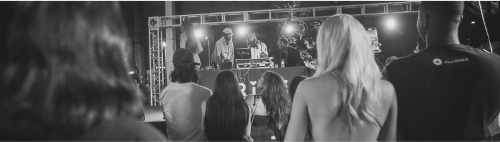


Every major music festival has an industry side. While fans are watching performances, professionals are meeting, dealing, and building relationships that shape the business.
If you're in the music industry—or trying to break in—here's what to expect from festival industry programming.
Types of Industry Programming
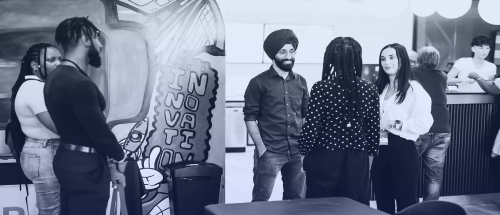
Networking events. Structured opportunities to meet other professionals. Usually by badge type, so you're meeting people at similar career stages.
Panels and talks. Industry professionals discussing topics from sync licensing to artist development to streaming economics. Educational, but also networking opportunities.
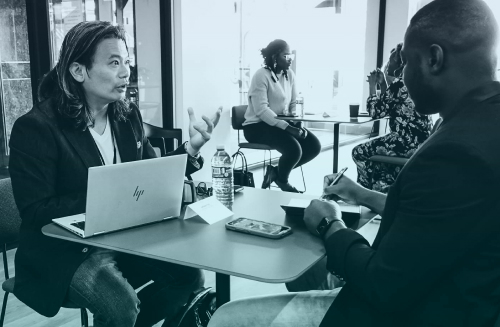
One-on-one meetings. Some festivals facilitate scheduled meetings with specific industry professionals. These are competitive and require preparation.
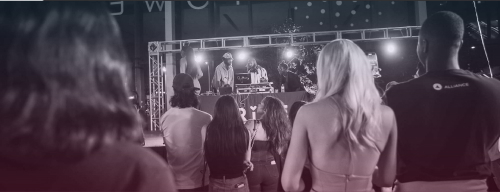
Showcases. Performances specifically programmed for industry audiences. Artists playing these are often being evaluated for booking, signing, or other opportunities.
Parties and after-hours. The unofficial industry programming. These are where a lot of real business happens, in more casual settings.
Who You'll Meet
Agents and managers. Looking for talent to represent or checking on existing clients.
Label representatives. A&R and marketing people scouting and networking.
Venue bookers. Looking for acts for their spaces back home.
Festival programmers. From other festivals, looking at what's working.
Media. Music journalists, playlist curators, content creators.
Artists. Musicians are professionals too. Peer networking is valuable.
Service providers. Publicists, distributors, lawyers, accountants who specialize in music.
How to Make the Most of It
Get the right badge. Industry access usually requires specific credentials. Research badge types before purchasing.
Do your homework. Know who's going to be there and who you want to meet. Research their work, recent projects, and interests.
Have your pitch ready. If you're an artist: 30-second description of your music, comparable artists, what you're looking for. If you're a professional: what you do, who you work with, what you're seeking.
Bring materials. Business cards still matter. A link to your EPK or portfolio on your phone. Something you can leave behind or share instantly.
Follow up fast. Industry people meet dozens of people at festivals. Follow up within 24 hours with something specific from your conversation.
The Unwritten Rules
Don't pitch at parties. Social events are for relationship building, not business transactions. Get to know people as humans first.
Respect time boundaries. A five-minute conversation should be five minutes. If they want more, they'll indicate it.
Don't badmouth anyone. The industry is smaller than it looks. Everyone knows everyone. Negative talk travels.
Be helpful without expecting returns. Make introductions, share information, be useful. This builds reputation over time.
Don't be the drunkest person. Open bars are not an invitation to lose control. Your professional reputation is on the line.
Realistic Expectations
Festivals are starting points, not endpoints. You might meet someone who changes your career, but more likely you're planting seeds for future relationships.
Most people won't follow through. That's the industry. Don't take it personally. Keep following up, keep showing up.
Quality beats quantity. Three meaningful conversations beat thirty card exchanges.
It's a long game. People you meet at C-Tribe this year might become important collaborators five years from now. Invest in relationships, not transactions.
Industry programming at music festivals is valuable, but it requires the same preparation and intentionality as any professional networking. Come prepared, be generous, follow up diligently, and play the long game. That's how festival networking turns into career opportunity.