



.svg)






.svg)
.svg)

.svg)
.svg)

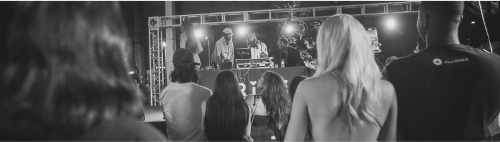


Walk into any gaming convention and the contrast is immediate. On one side, massive booths with screens the size of buildings, hour-long lines, and marketing budgets larger than some countries' GDPs. On the other, rows of small tables with developers nervously hoping someone stops by.
Both have value. But knowing how to split your time between them can make or break your convention experience.
The Case for AAA Booths
Early access to anticipated titles. Playing a game months before release, with optimal hardware, is something you can't replicate at home.
Production value. The presentations, the demos, the overall experience is polished. These companies know how to create memorable moments.
Exclusive content. Reveals, trailers, playable content that won't be available elsewhere for weeks or months.
Social experience. Sharing the excitement of a big reveal with thousands of other fans creates energy that's hard to replicate.
The Case for Indie Booths
Access to developers. The person showing you the game often made it. You can ask real questions and get real answers.
Discovery. These are games you've never heard of. Some will be bad. Some will become your favorites. The surprise is part of the appeal.
Shorter lines. More time playing, less time waiting.
Supporting creators directly. Your attention and feedback matters more to a two-person studio than it does to a multinational corporation.
Seeing what's next. Today's indie darling is tomorrow's mainstream genre. Indie spaces are where trends emerge.
How to Split Your Time
There's no universal formula, but here's a framework:
If you're primarily a mainstream gamer: Spend 60% on AAA, 40% on indie. You came for the big stuff, but leave room for discovery.
If you're a developer or industry professional: Spend 70% on indie. This is where you'll find inspiration, potential collaborators, and insight into emerging trends.
If you're a content creator: Mix both, but prioritize what your audience cares about. Document everything—your indie discoveries might become valuable content.
If you're undecided: Start with indie in the morning when you're fresh and crowds are thin. Hit AAA booths in the afternoon when lines are shorter.
Smart Strategies for Both
AAA booths: - Check if there are timed demo sessions you can book - Major panels often have playable demos with shorter lines during the presentation - Evening hours and last day are typically less crowded
Indie booths: - Ask developers what games they're excited about besides their own—they know the scene - Take business cards or photos of games that interest you - If a game isn't ready for demo, ask about a mailing list or wishlist page
What You're Really Choosing Between
This is less about indie vs AAA and more about what you want from a gaming event.
If you want to experience spectacle and play the games everyone will be talking about, prioritize the big booths.
If you want to discover something new and connect with creators, prioritize indie sections.
If you want both—and you should want both—just be intentional about how you allocate your limited hours.
The gaming industry lives in the tension between massive productions and scrappy independent projects. A good gaming event experience lets you engage with both. Don't let the bright lights of the AAA section blind you to the innovation happening in the quieter corners.