



.svg)





.svg)
.svg)

.svg)
.svg)

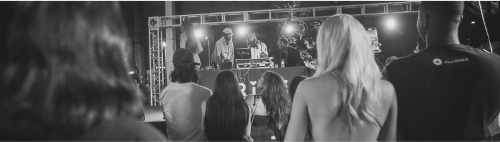


Networking has a reputation problem. The word alone conjures images of forced smiles, sweaty handshakes, and conversations where both people are clearly trying to figure out what they can get from each other.
Film festivals attract people who'd rather be watching movies than working a room. Fair enough. But some of the most valuable connections in this industry start with a conversation at a festival bar or a shared laugh during a Q&A. Here's how to make that happen without feeling like you need a shower afterward.
How to Start a Conversation at a Film Festival
The fastest way to make someone's eyes glaze over is to launch into what you're working on before they've asked. Nobody wants to be cornered by someone running through their logline unprompted.
Flip it. Ask what brought them to the festival. What they've seen that surprised them. What they're working on. Most people love talking about their work when someone's genuinely interested—and genuine is the key word here. People can smell a setup.
If the conversation flows and they ask about you, great. Keep it brief. If they don't ask, that's fine too. You still had a real conversation, and that's worth more than a forced pitch they'll forget by tomorrow.
Where to Network at a Film Festival
After screenings. The energy in a room after a good film is different. People want to talk about what they just saw. If you're in the Q&A, ask a real question—something specific about a choice the filmmaker made. Not a compliment disguised as a question, and definitely not a monologue about your own project.
Between sessions. Coffee lines, hallways, the five minutes before a workshop starts. These unstructured moments are underrated. A simple "What did you think of that last one?" can open things up.
The Agents Zone. C-Tribe's networking hub. This is where people go specifically to make connections, so the context is already set. But come with something specific—a project you're looking to finance, distribution questions, whatever. Vague "just seeing what's out there" energy doesn't give anyone anything to work with.
After hours. Parties, late-night hangs, hotel lobbies. Guards come down. Conversations get looser. Some of the best industry relationships start at 11pm over cheap drinks.
What to Say When Networking (And What to Avoid)
Lead with their work. If you know who someone is, mention something specific you appreciated. Not flattery—specificity. "The sound design in your last short stayed with me" lands differently than "I loved your film."
Ask more than you tell. Questions keep conversations going. Monologues kill them.
Have your short version ready. If someone asks what you're working on, don't fumble. One or two sentences. Genre, premise, where you're at with it. Then stop talking and see if they want to know more.
Skip the ask on first contact. Don't request a meeting, a read, or an introduction the first time you talk to someone. Build the relationship first. There's time.
How to Follow Up After Meeting Someone at a Festival
You met someone. Good conversation. Now what?
Reach out within 48 hours. After that, you're both going to forget the details. A simple message works: "Great talking with you after the [FILM] screening. Loved what you said about [SPECIFIC THING]. Let's stay in touch."
That's it. Don't ask for anything yet. Just establish the connection.
Social media is fine for casual follows. Email is better if you want to actually build something—a collaboration, a mentorship, a working relationship. Read the room based on how they present themselves professionally.
Film Festival Networking Tips for Introverts
You don't need to meet thirty people. You need to meet three who matter.
Festivals are perfect for introverts because you have built-in conversation material everywhere. You just watched the same film. You're interested in the same topics. You don't need small talk—you can skip straight to the thing you both care about.
Take breaks. Step outside. Recharge. Then go back in and have one more real conversation. That's plenty.
Talk to people like they're people. Be curious. Don't pitch unless asked. Follow up while they still remember you. And remember that everyone there—even the people with bigger credits—showed up to a festival in Edmonton because they love film and want to connect with others who do too.