



.svg)





.svg)
.svg)

.svg)
.svg)

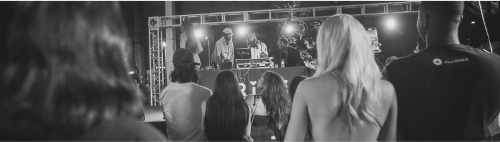


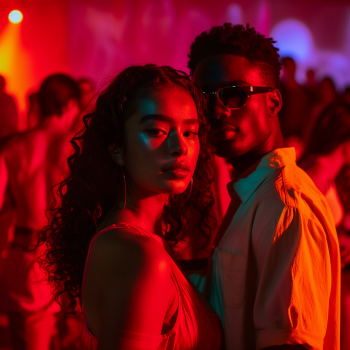
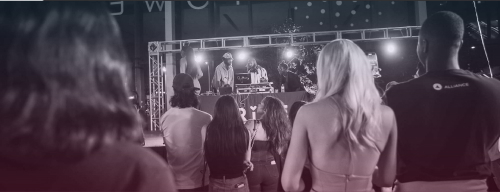
Main stages are designed for spectacle. They're meant to hold thousands, deliver polished performances, and create shareable moments. There's value in that.
But cultural programming often hits different in smaller spaces. Here's why the side stages, workshops, and intimate venues deserve your attention.
Why Smaller Programming Matters
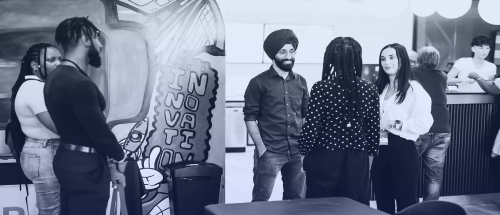
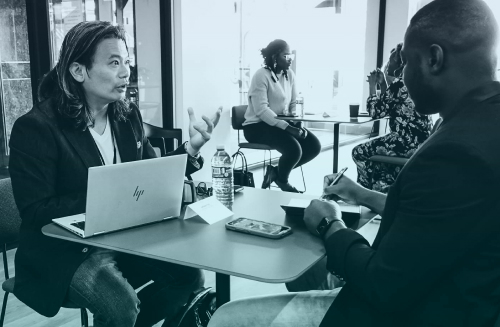
Intimacy allows connection. In a room of fifty people, you can see the performers' expressions, ask questions afterward, and process the experience with others who were there. Scale changes everything.
Risk is easier. Main stages need to please large audiences. Smaller programs can be more experimental, more niche, more uncompromising. This is where artists push boundaries.
Context gets preserved. Big stages strip context. Smaller programs can include introductions, explanations, and discussions that help audiences understand what they're seeing.
Community shows up. The smaller events often draw community members for whom this tradition matters personally. Their presence changes the energy.
What to Look For in the Schedule
Workshops. Active participation teaches you more than passive observation. A drumming workshop or dance class creates understanding that watching can't.
Conversations and panels. Artists and community members discussing their work, influences, and contexts. These add layers to the performances you'll see.
Demonstrations. Craft traditions—weaving, cooking, instrument-making—are often more accessible in demonstration format than performance format.
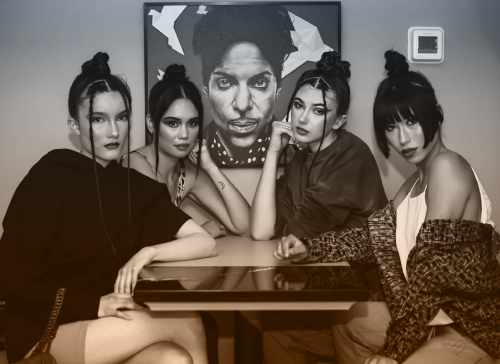
Late-night and off-site programs. The programming that happens in unexpected spaces often feels less like a "show" and more like an invitation into something real.
How to Navigate
Prioritize depth over breadth. Going deep on one tradition is usually more rewarding than skimming several. Pick focus areas.
Talk to people. Community members at smaller events are often happy to share context, recommend other programming, and help you understand what you're seeing.
Stay for the whole thing. Small programs often build to something. Arriving late or leaving early misses the arc.
Reflect between events. Don't rush from one thing to the next. Give yourself time to process before moving on.
The Main Stage Still Has Value
This isn't about dismissing main stage programming. Large-scale productions can be transformative. Some traditions are meant to be experienced with crowds and spectacle.
The point is balance. If your festival experience is all main stages, you're missing the texture. If it's all small rooms, you might miss the celebration.
At C-Tribe x Culture
C-Tribe's cultural programming happens across multiple spaces and scales. The schedule includes everything from full-venue performances to intimate workshops.
Build your schedule to include both. But when the main stage and the small room conflict, consider choosing the small room. You can watch the main stage performance online later. You can't replicate what happens in intimate spaces.
The most memorable cultural experiences at festivals often happen away from the largest crowds. Seek out the smaller programs, the workshops, the conversations. That's where the depth is.